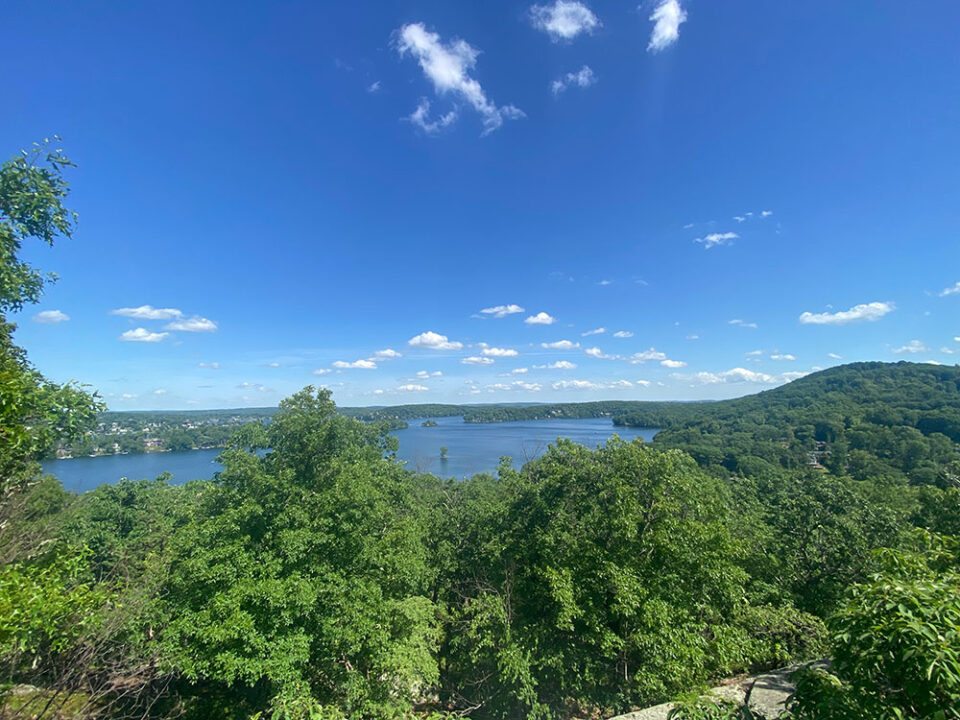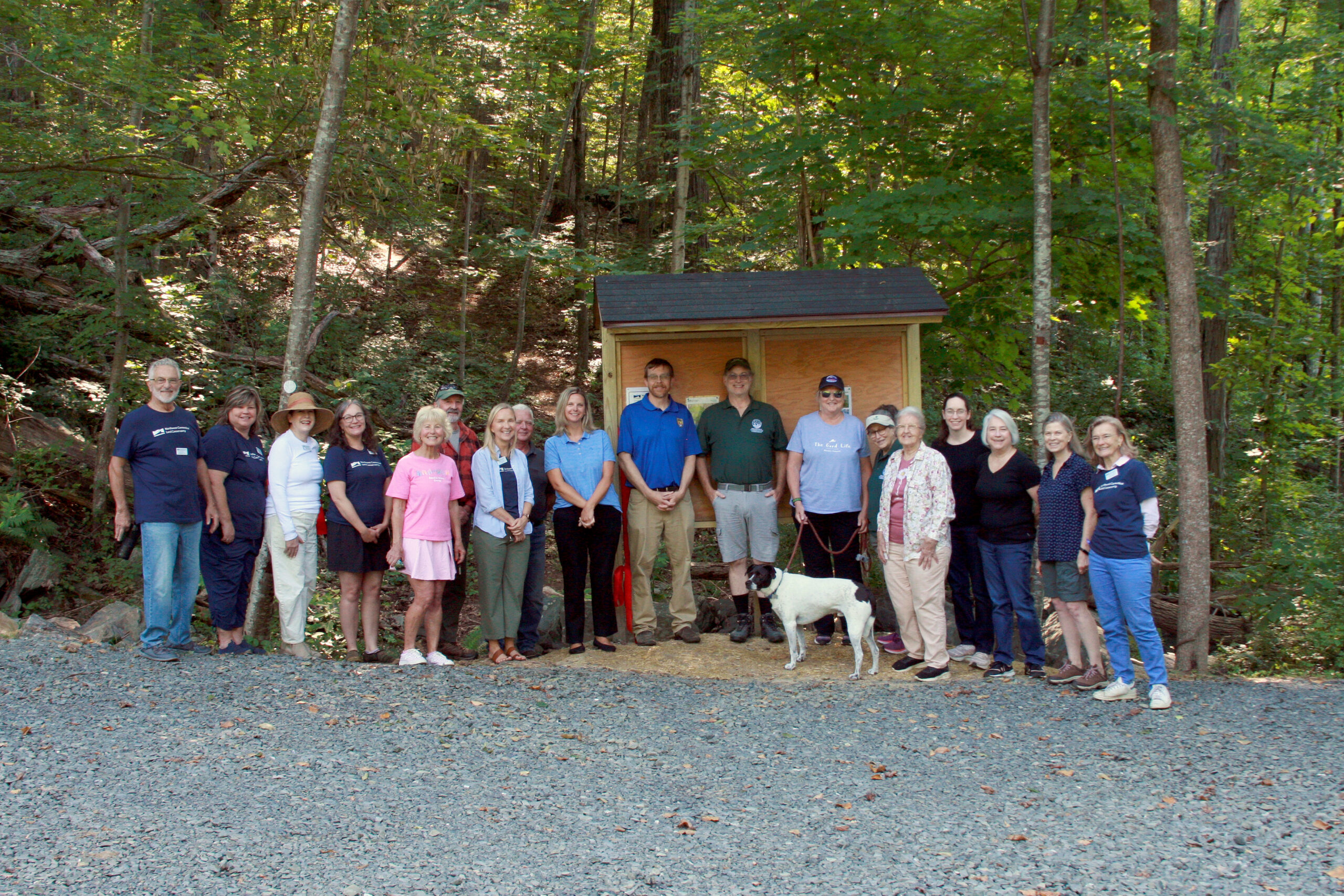

Each summer, Northwest Connecticut Land Conservancy (NCLC) welcomes a team of Summer Trail Stewards who help care for our public nature preserves and support partner initiatives while gaining valuable hands-on experience in conservation and land stewardship. Working alongside NCLC staff, these field-based interns maintain trails, assist with habitat stewardship projects, learn land management techniques, and build skills that will help shape their future careers in conservation.
Continuing education is a fundamental part of the Summer Trail Steward experience. Throughout the season, stewards participate in training opportunities, collaborate with partner organizations, and gain exposure to a wide range of conservation careers and practices.
This year, we are excited to welcome McKenzie Kleppin, Aidan Weik, and Will Pollitt to the NCLC team.
McKenzie Kleppin
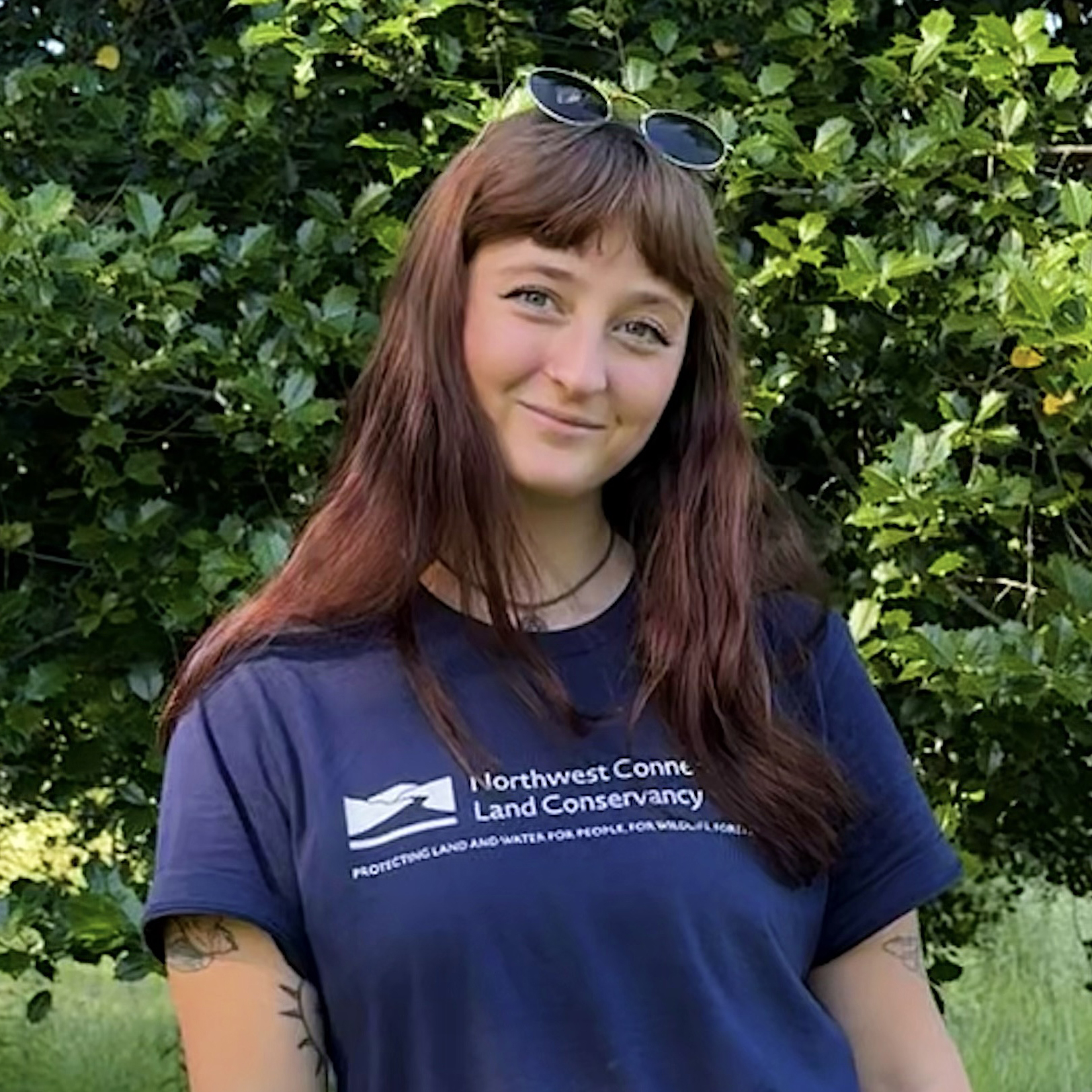 Hi! My name is McKenzie Kleppin. I graduated from the University of New Hampshire in 2024 with a B.S. in Wildlife & Conservation Biology. My interests include environmental outreach and education, wildlife and marine biology, natural resource policy, and nonprofit work. I am looking forward to the opportunity this internship provides to explore different areas and professions within land conservation and gain insight into what direction I want to take in my future career.
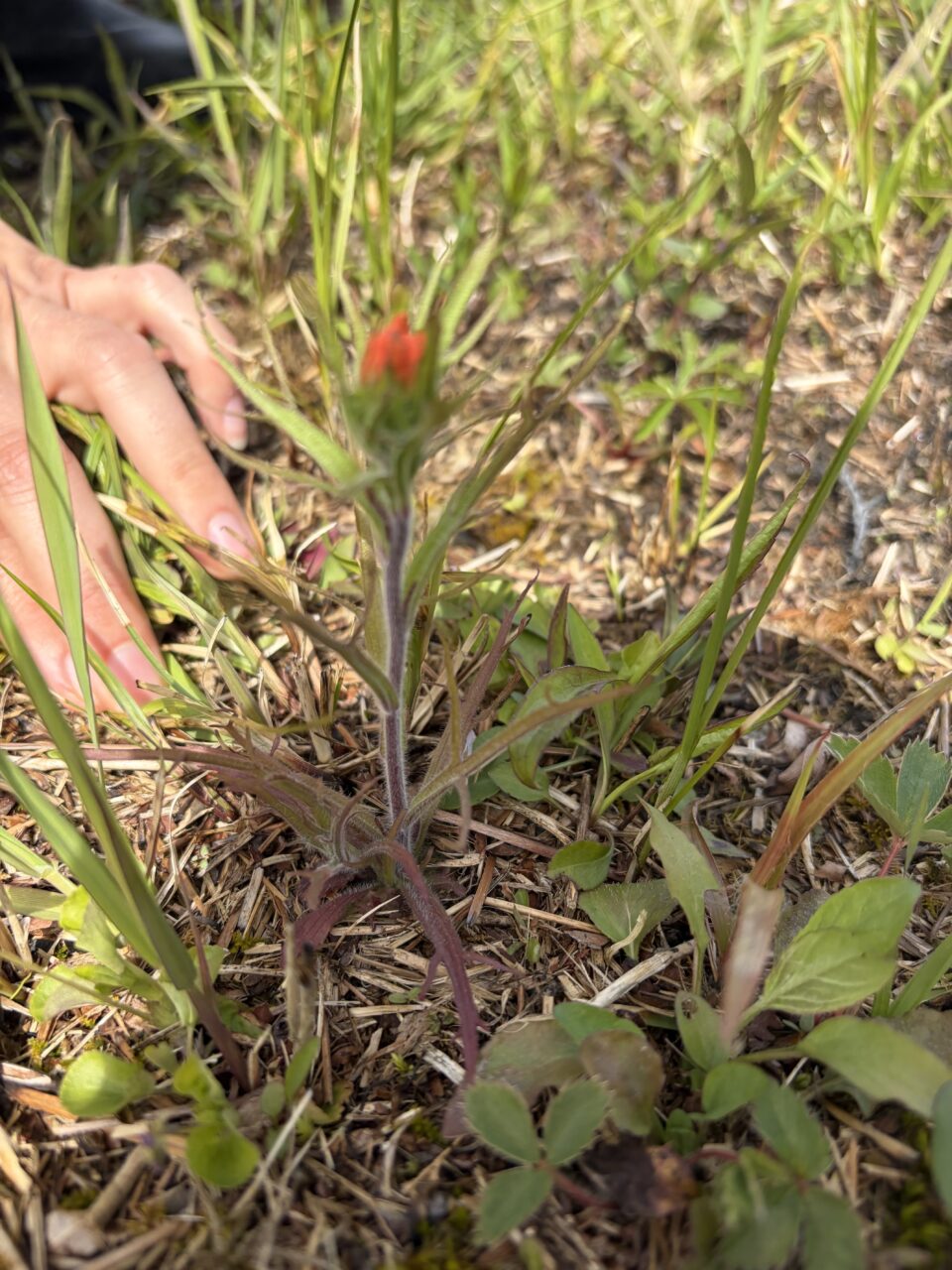
During my first two weeks, with the help and guidance of NCLC’s Public Lands Manager Tara Spears, we cleared and cleaned up several recreation trails in Kent, Sherman, New Fairfield, and Brookfield; began creating new trails and paths; met with other summer interns from neighboring organizations; practiced native and invasive plant species identification and management; and completed a two-day Wilderness First Aid certification course.
I have enjoyed meeting and working with staff members from NCLC, Housatonic Valley Association, The Kent Land Trust, and Steep Rock Association, and I am excited to build connections, continue my education, and grow as a conservation professional throughout the summer.
Aidan Weik
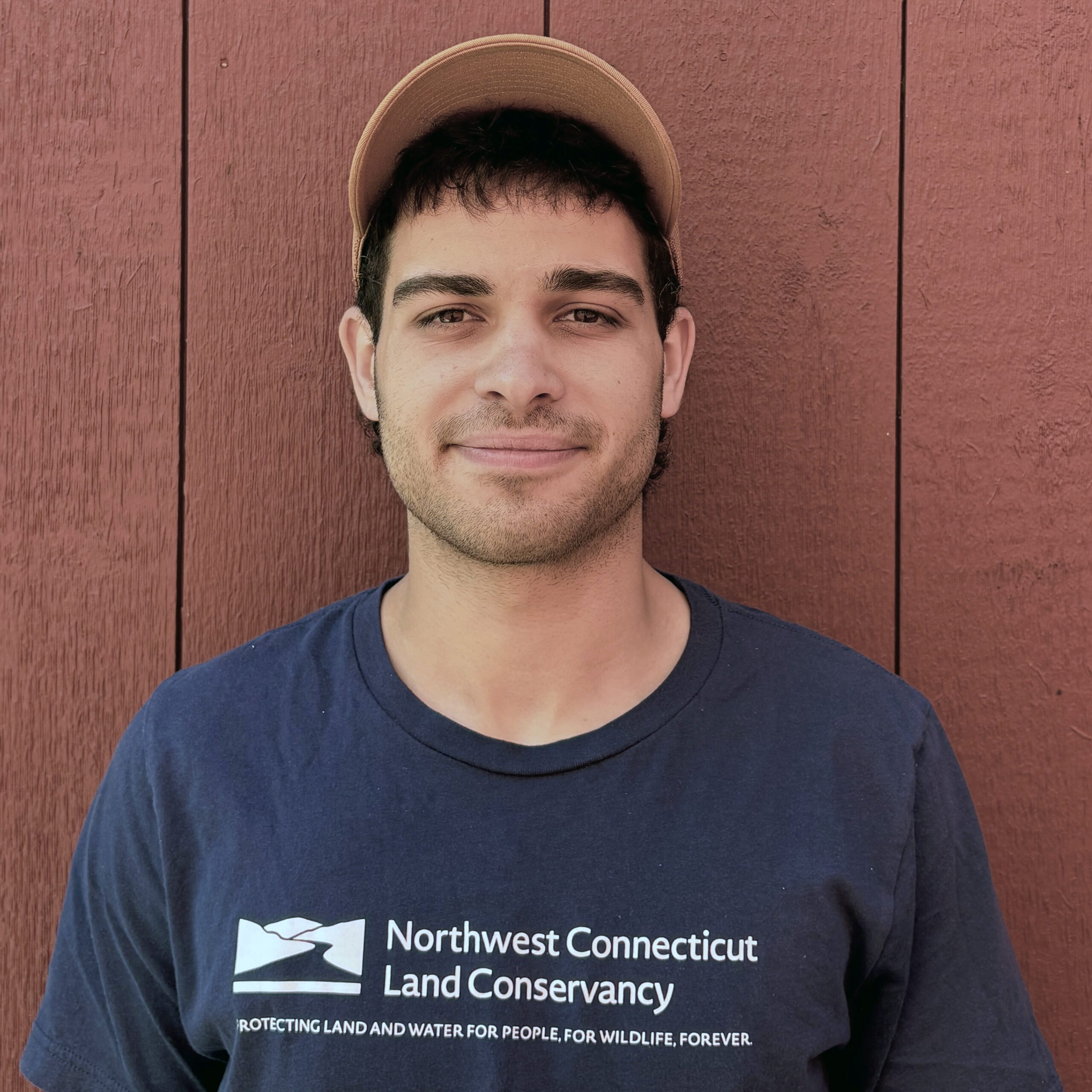 Hello. my name is Aidan Weik. I am an avid year-round outdoor sports and recreation enthusiast. I enjoy climbing both ice and rock, mountaineering, and backcountry trekking. Because of these passions, I have always been an active proponent of conservation and land management.
I am incredibly excited to have the opportunity to work with NCLC to explore the many avenues of conservation and refine my skills as a naturalist. My goal is to turn my enthusiasm for the outdoors into practical skills that can support a career in conservation. Growing up, I admired my nature camp counselors and natural science teachers above all others, and using NCLC as a stepping stone into the field is a great privilege.
During my first two weeks, we practiced plant identification, worked on trails, and completed Wilderness First Aid training. NCLC’s conserved lands are diverse and expansive, allowing us to have a wide variety of experiences, from weed whacking and invasive species management to bridge building and trail construction. I have also had the opportunity to meet other conservation professionals and learn about the many career paths available in the field. I am excited to continue working on trail projects and learning more about the outdoors alongside my fellow summer interns.
Will Pollitt
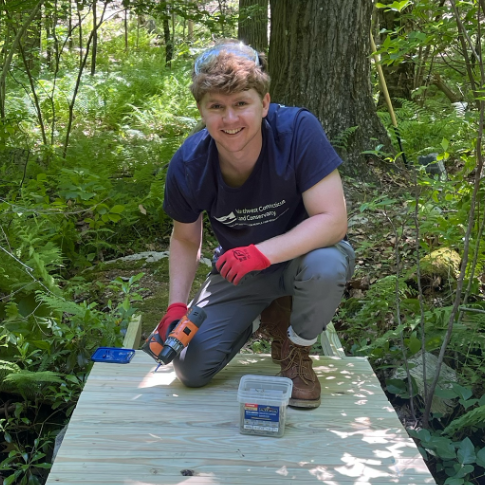 Hello. My name is Will Pollitt, and I am a rising senior at Siena University, majoring in Environmental Studies with a minor in Management. I switched my major from Health Studies to Environmental Studies following my experience in the Kelly Alisha Tobin Internship Program with The Kent Land Trust during the summer after my freshman year.
After completing my undergraduate degree, I hope to continue gaining experience in the field to help guide me toward graduate school or full-time work. My favorite activities include skiing, fishing, camping, and hiking. With the help of the team at NCLC, I hope to learn more about preserving and monitoring natural lands and educating the community about the places that allow me and others to enjoy these activities.
I am excited for a fantastic summer with NCLC because I believe this internship will help me make important decisions about my future by providing a wide variety of experiences both in the field and in the office.
During my first two weeks, I was introduced to the wonderful staff at NCLC and to my fellow interns, McKenzie Kleppin and Aidan Weik. With the guidance of Public Lands Manager Tara Spears, we surveyed and completed stewardship work at Cobble Brook Vista, Wimisink, Finn’s Land, Birch Rocks, Wildwoods, Alice McCallister, Hahlawah, and Komlo preserves. Our work included vegetation management, building a new bridge, and trail blazing.
We also joined interns from other conservation organizations for a hike at Skiff Mountain South and completed Wilderness First Aid and CPR training at White Memorial. So far, I have learned a great deal about land conservation, land trust partnerships, and how conserved lands fit into long-term planning efforts. The staff here have been extremely friendly, helpful, and supportive. I can’t wait to see what the rest of the summer has to offer.
Stewarding the Lands We All Enjoy
Over the coming months, McKenzie, Aidan, and Will will help maintain trails, improve visitor experiences at public preserves, assist with habitat management projects, and support stewardship efforts across the region. Their work helps ensure that these special places remain healthy, accessible, and welcoming for everyone.
NCLC is grateful to have them on the team and looks forward to sharing updates from their summer of conservation, learning, and stewardship.