Behind every resilient farm is a deep commitment to stewardship, innovation, partnership, and community. This month, we celebrate farm partner and Building Resiliency grant recipient Kalenauskas Farm.
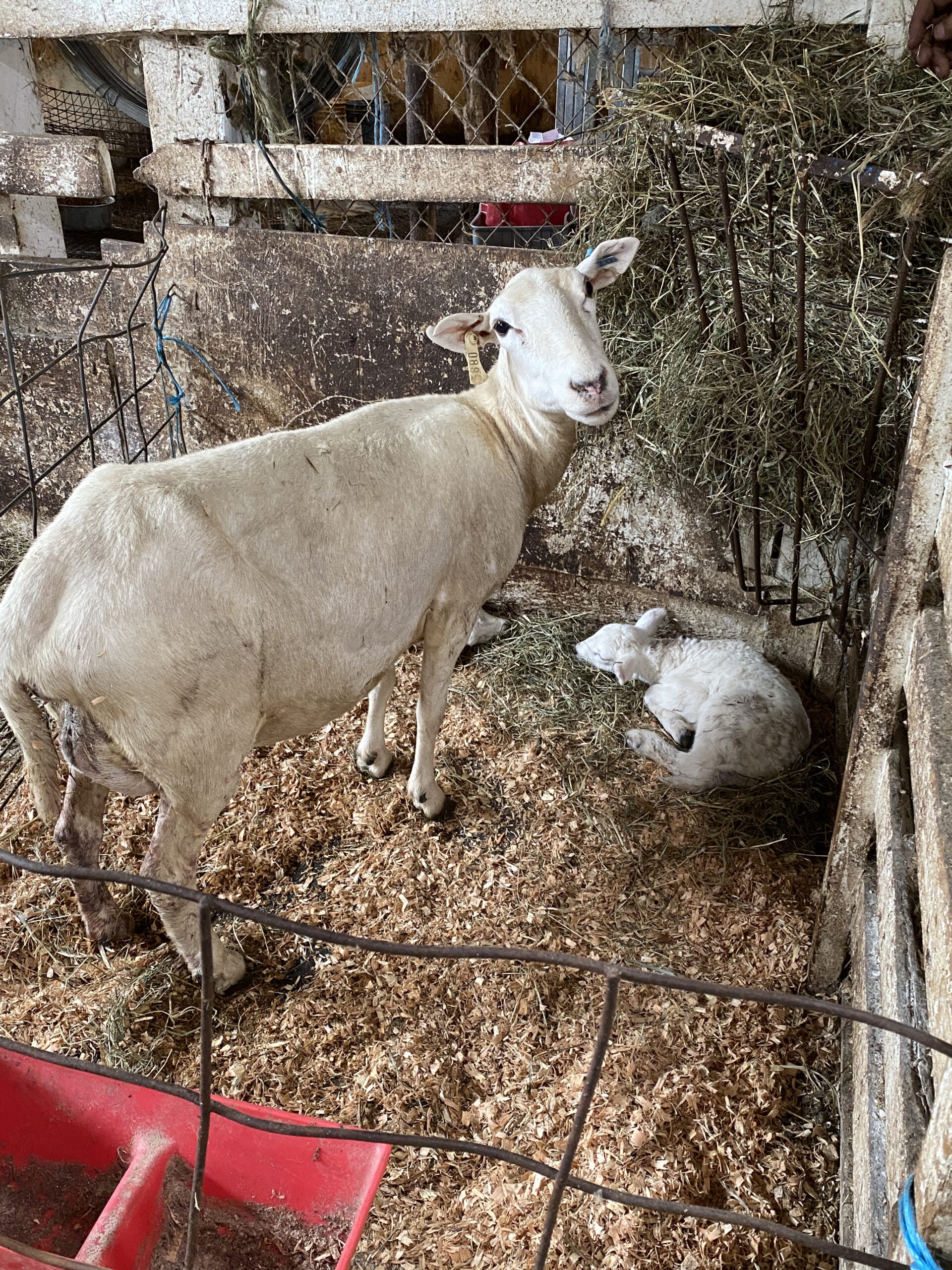
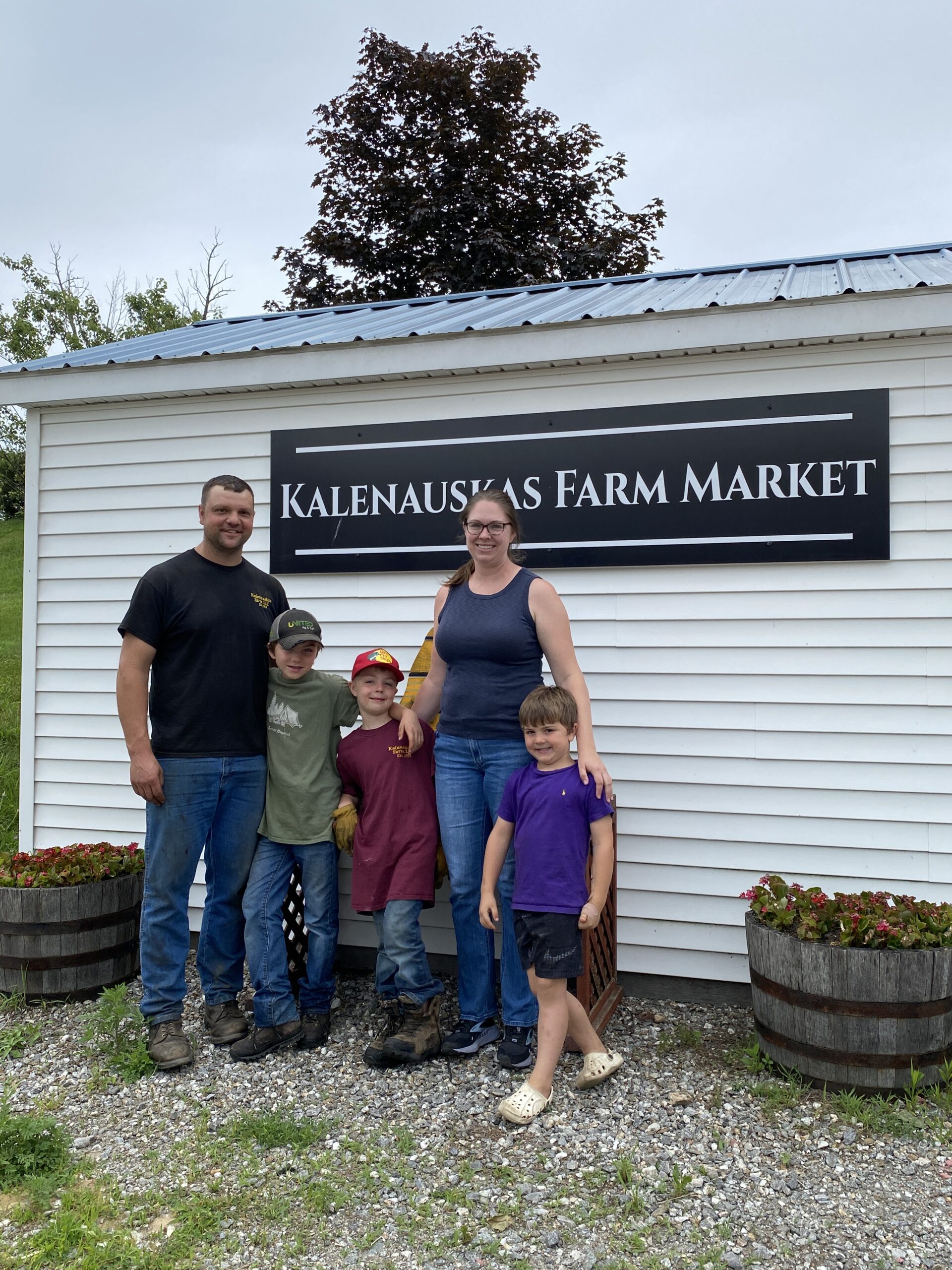
Founded in 1914, Watertown-based Kalenauskas Farm has been a cornerstone of agriculture for more than a century. What began as a dairy farm has evolved into a diversified family operation producing livestock, hay, corn silage, wool products, maple syrup, honey, and more. In 2020, the family opened Kalenauskas Farm Market, offering products grown and made entirely by members of the farm family. Today, the farm is operated on more than 400 acres by the third and fourth generations of the family, with the assistance of four little boys who make up the fifth generation.
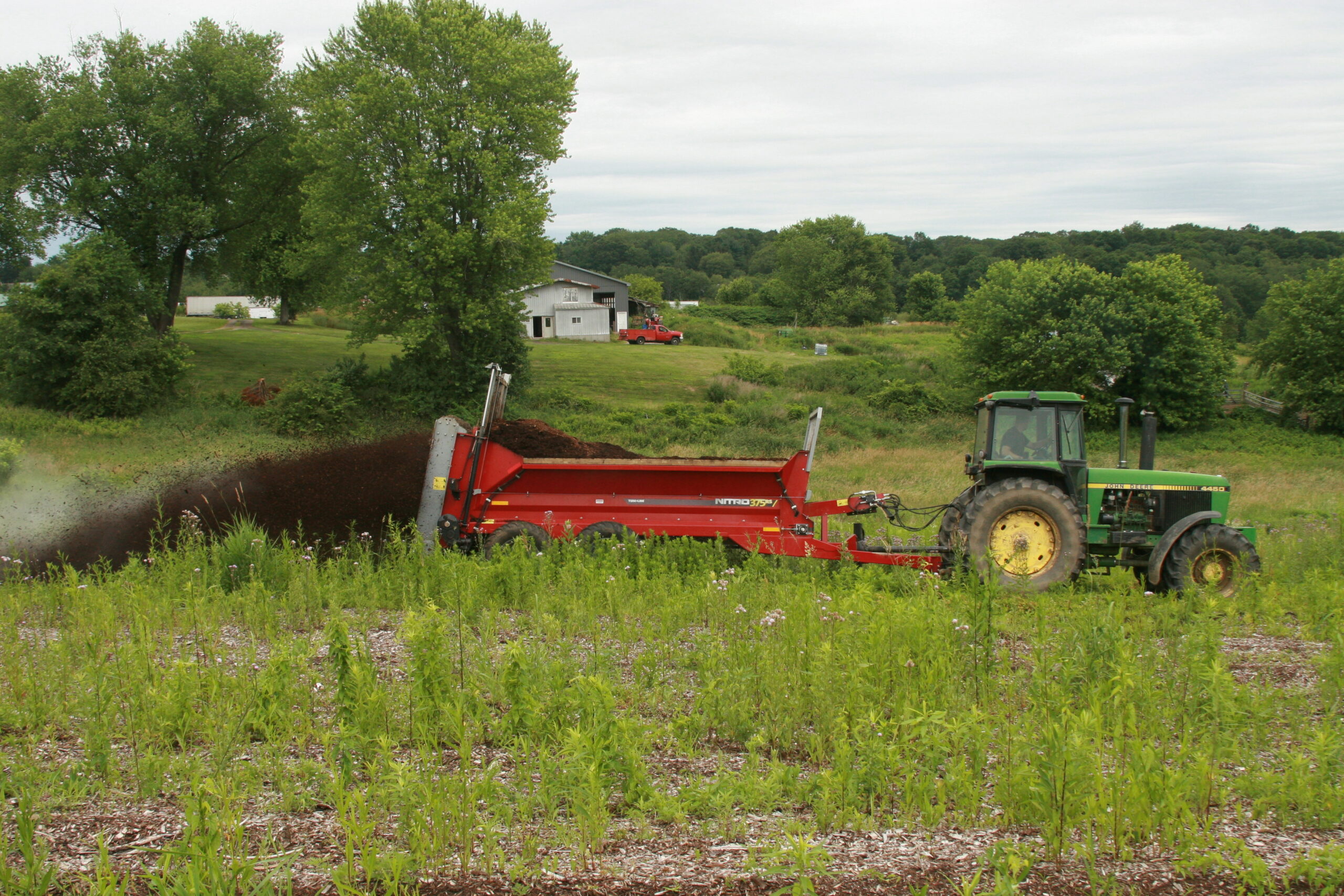
With support from NCLC’s Building Resiliency on Northwest Connecticut Farmland grant program, Kalenauskas Farm received funding for a vertical beater multi-product spreader. The equipment allows the farm to apply manure, compost, lime, and other soil amendments more precisely and efficiently—improving nutrient management, reducing runoff, and building healthier soils. The spreader also supports the farm’s transition toward more climate-smart farming practices, including no-till planting methods that help protect soil health and reduce erosion.
We asked farm co-owner Michael Jedd what difference the new equipment has made for the farm, and here is what he said: “With limited equipment rental options available, owning this spreader is probably the best thing going as far as being able to apply amendments to improve soil health and productivity. It gets the right product out there at the right rate. And by owning it, I can do it at the right time. I’m not at someone else’s mercy for when we can get access to the equipment.”
The new spreader has already helped the farm more effectively manage compost, manure, and lime applications while improving field conditions for planting. By breaking down and evenly distributing dense organic material, the equipment enabled the farm to plant nearly 90% of its corn crop in 2025 using no-till methods—an important step toward building long-term resilience in the face of increasingly unpredictable weather.
At Kalenauskas Farm, innovation and stewardship go hand in hand with tradition. While new ventures and new generations continue to shape the farm’s future, the family’s commitment to the land remains unchanged.