Northwest Connecticut Land Conservancy Awarded State Bond Funds for Historic Land Protection

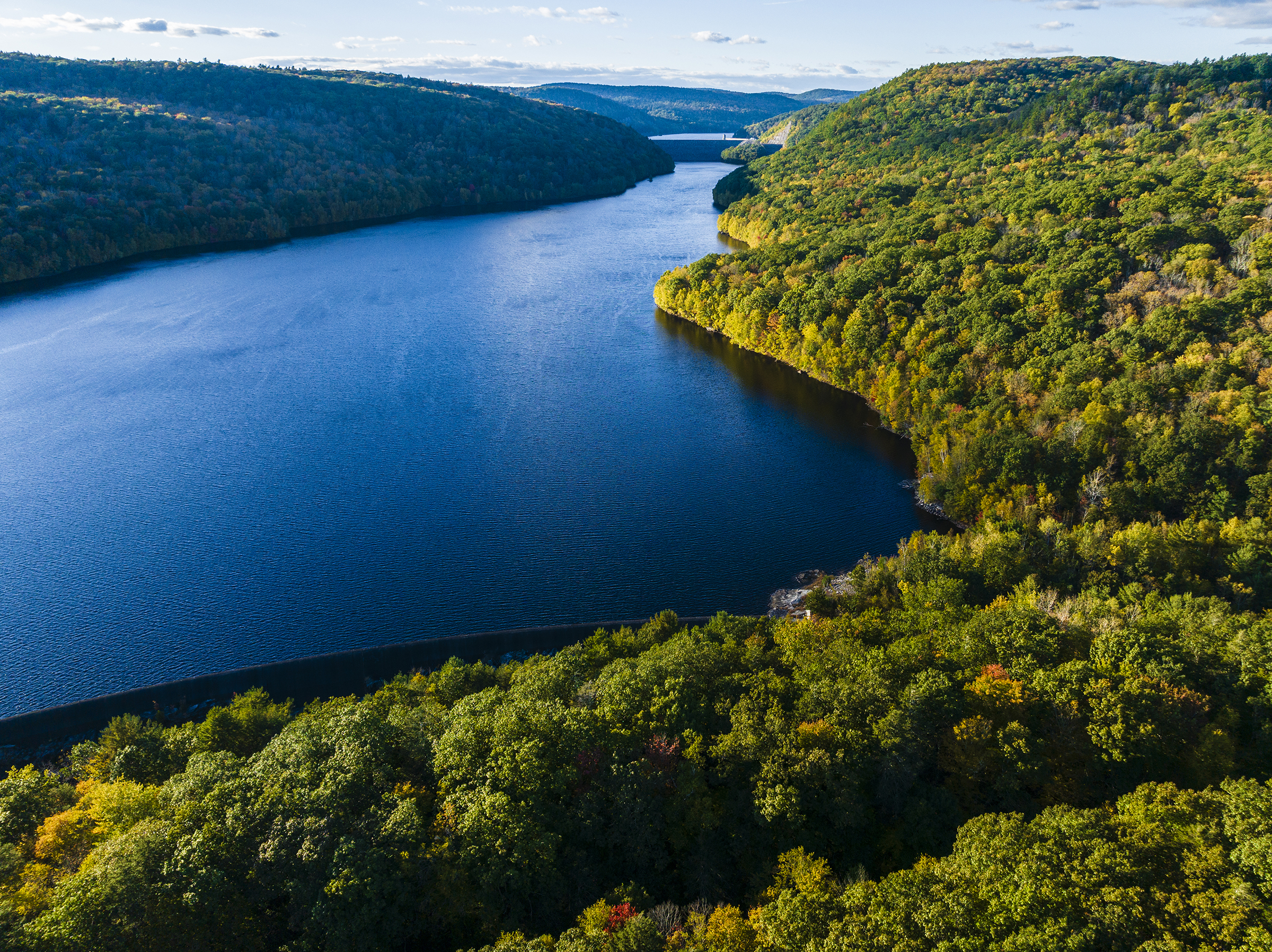
Colebrook Reservoir

October 10, 2025 (Kent, CT) – Northwest Connecticut Land Conservancy (NCLC) is proud to announce it has received funding approval for up to $725,000 from the Connecticut State Bond Commission to support the Colebrook Reservoir Easement acquisition—a land protection project that will collectively protect 5,200 acres that safeguard CT’s largest untapped drinking water reservoir and vital wildlife habitat (in Colebrook and Hartland, Connecticut, and Sandisfield and Tolland, Massachusetts).

Since 2023, NCLC has been collaborating with The Metropolitan District (MDC) landowners and partners, Save the Sound, Rivers Alliance of Connecticut, Farmington River Watershed Association, Connecticut Land Conservation Council, and The Nature Conservancy in Connecticut, to secure this significant stretch of land. With this final funding in place, NCLC can proceed with the $1 million purchase of this conservation easement, which is expected to close by the end of the year.

“This is one of the largest land protection projects in our state’s history and safeguards our state’s clean water, environmental health, and continued public access to nature,” said NCLC Executive Director Catherine Rawson. “Thanks to the shared vision and support of MDC, partner organizations, and state leaders, these vital natural lands and waters will be permanently protected for everyone, including the generations yet to come.”

MDC CEO Scott Jellison noted, “This important next step in the process sets the stage to move forward with the agreement for the long-term protection of this invaluable, regional asset. The MDC’s history of responsible environmental stewardship of over 31,000 acres of watershed land demonstrates that we are well prepared to continue those efforts into the future with this historic partnership.”

“In Connecticut we’re proud of our natural landscapes and resources,” said Governor Ned Lamont. “The Colebrook Reservoir Conservation Project is another step forward in helping to protect our state’s natural beauty for generations to come.”

“This funding represents a tremendous step forward for Connecticut. By permanently protecting more than 3,800 acres around the Colebrook Reservoir, we are safeguarding clean drinking water, preserving an ecologically rich and climate-resilient landscape, and ensuring public access to open space at a time when protecting our environment has never been more important,” remarked Representative Maria Horn. “This is an investment in our communities, our health, and our future. I am very proud to have secured these funds alongside the Speaker and Governor.”

“We only get one shot to preserve our natural resources, and this project seizes that opportunity,” Senator Paul Honig said. “I’m happy to support the NCLC’s work to protect the natural beauty of northwestern Connecticut, and I’m thrilled the State Bond Commission provided the funding to make it happen. This effort ensures that future generations will have access to these irreplaceable outdoor spaces and the clean drinking water they provide.“

“The conservation efforts of the Colebrook Reservoir lands represent a significant and forward-looking investment in Connecticut’s environmental and public health,” stated Representative Jay Case. I applaud the State Bond Commission for recognizing the importance of this project and providing the funding necessary to make it a reality. This initiative will safeguard clean drinking water and preserve critical habitats. I commend the Northwest Connecticut Land Conservancy (NCLC) for its leadership in advancing this transformative effort for the benefit of generations to come.”

Read more about this Colebrook Reservoir conservation project here.


About Northwest Connecticut Land Conservancy (NCLC)

Northwest Connecticut Land Conservancy is a nonprofit, regional conservation organization working with the communities of Litchfield and northern Fairfield Counties to safeguard natural and working lands, public recreation areas, and drinking water resources forever. Founded in 1965, NCLC is the largest land trust in Connecticut, protecting 14,200 acres (and growing). To strengthen the region’s capacity to conserve high-quality conservation lands and ensure the permanence of those conserved lands for the future, NCLC merged with Brookfield Open Space Legacy in 2019, Naromi Land Trust in 2020, and Candlewood Valley Regional Land Trust in 2025. NCLC’s conserved lands include 31 public hiking preserves, 49 working farms, 57 miles of rivers and streams, and over 3,000 acres of habitat for rare and endangered species.

For more information about NCLC and how you can support conservation efforts in our region, please visit ctland.org.

Candlewood Valley Regional Land Trust Joins Northwest Connecticut Land Conservancy Through Merger

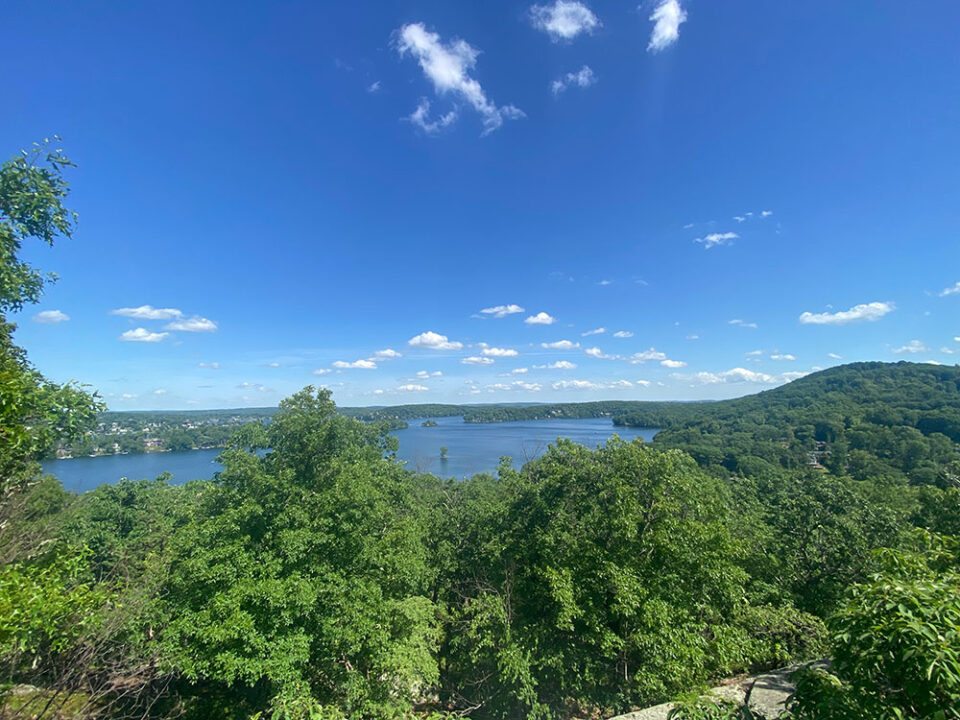
Sweetcake Mountain Preserve in New Fairfield.

September 25, 2025 (Kent, CT) – Northwest Connecticut Land Conservancy (NCLC) is excited to welcome Candlewood Valley Regional Land Trust (CVRLT) into its organization through a merger effective September 30, 2025. The combined organization will continue under the name Northwest Connecticut Land Conservancy.

Through this merger, NCLC is entrusted with the stewardship of CVRLT’s 611 acres of protected land in Danbury and New Fairfield, including eight public nature preserves. As the largest land trust in Connecticut and the 22nd largest in the United States by the number of lands conserved, NCLC now protects over 14,000 acres across Litchfield and northern Fairfield Counties.

NCLC is uniquely positioned to carry forward CVRLT’s conservation legacy. Founded in 1965 and nationally accredited by the Land Trust Accreditation Commission, NCLC has earned widespread recognition for its leadership in land protection, including the Connecticut Land Conservation Council’s highest award for land preservation, an EPA Environmental Merit Award for its outstanding commitment to protecting the natural environment, and a Working Lands Alliance Pathfinder Award for its significant contributions to educating the public about the importance of farmland preservation.

“This merger strengthens our collective ability to safeguard the lands, waters, and natural areas that make our communities thrive,” said Catherine Rawson, Executive Director of NCLC. “Together, NCLC and CVRLT can expand public access to the outdoors, protect clean drinking water, and ensure that treasured natural lands in Danbury and New Fairfield are cared for in perpetuity. We are proud to carry forward CVRLT’s legacy and to build an even stronger foundation for regional conservation.”

Founded in 1971 and also nationally accredited, CVRLT is an all-volunteer, nonprofit land trust. Its commitment to conservation will continue through the merger with NCLC. Members of the CVRLT Board of Directors will represent the community as part of the newly formed Candlewood Valley Council. This advisory council will provide ongoing local input, help shape future land acquisitions and conservation programs, and host events in Danbury and New Fairfield. In addition, council members will have opportunities to collaborate with advisory councils from other Northwest Connecticut towns on regional conservation priorities—such as strengthening climate resiliency, safeguarding clean drinking water by conserving forests and wetlands, preserving working farms and access to local food, and protecting the natural lands that are vital to our quality of life.

“As the work of land conservation has grown, many of our local land trusts have been strengthening their impact by joining together,” noted CVRLT President Faline Schneiderman. “By sharing resources and expertise, merged organizations have been able to better steward their preserves, expand their reach, and ensure long-term success. CVRLT is thrilled to be able to strengthen and grow our conservation legacy as part of the larger, stronger team of land trusts united within Connecticut’s largest land trust.”

The two organizations will celebrate the merger at NCLC’s Annual Meeting on Saturday, November 15 from 9:30 to 11:30 a.m. at New Fairfield Senior Center Community Room, located at 33 CT-37, New Fairfield, CT 06812. This event is free and open to the public. All are welcome.

For more information about the merger, including Frequently Asked Questions, visit ctland.org/cvrlt-merger.

About Northwest Connecticut Land Conservancy (NCLC)

Northwest Connecticut Land Conservancy is a nonprofit, regional conservation organization working with the communities of Litchfield and northern Fairfield Counties to safeguard natural and working lands, public recreation areas, and drinking water resources forever. Founded in 1965, NCLC is the largest land trust in Connecticut, protecting over 14,000 acres (and growing). To strengthen the region’s capacity to conserve high-quality conservation lands and ensure the permanence of those conserved lands for the future, NCLC merged with Brookfield Open Space Legacy in 2019, Naromi Land Trust in 2020, and Candlewood Valley Regional Land Trust in 2025. NCLC’s conserved lands include 31 public hiking preserves, 49 working farms, 57 miles of rivers and streams, and over 3,000 acres of habitat for rare and endangered species.

For more information about NCLC and how you can support conservation efforts in our region, please visit ctland.org.

Discover The Ledges: A New 45-Acre Public Nature Preserve in Brookfield

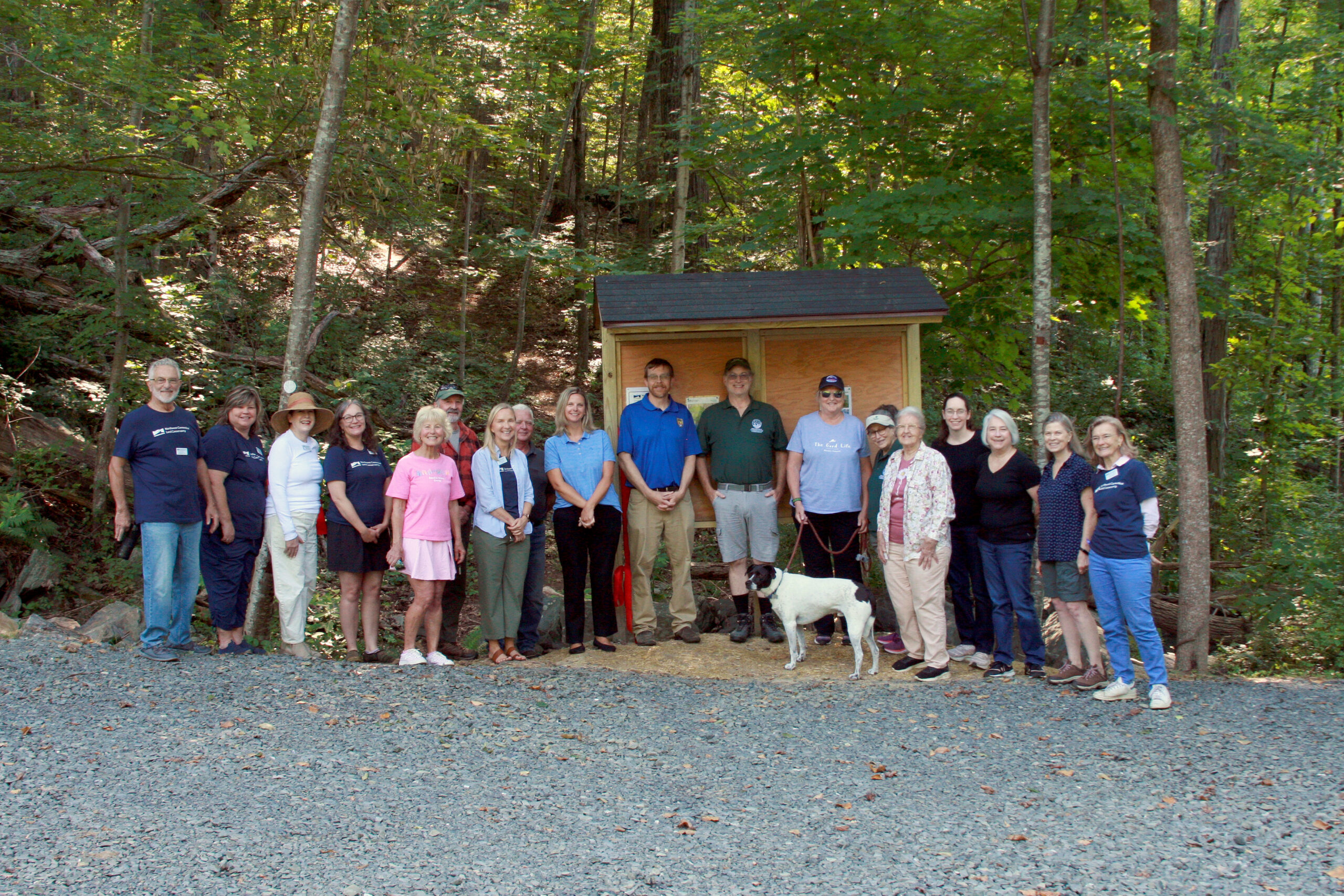
August 22, 2025 (Kent, CT) – Northwest Connecticut Land Conservancy (NCLC) is proud to announce the grand opening of The Ledges, a new 45-acre public nature preserve in Brookfield. The Ledges provides the Brookfield community with a new opportunity to experience the outdoors, while safeguarding vital habitat that connects wildlife across the region.

Adjacent to the beloved 116-acre Burr Farm protected by the Town of Brookfield, The Ledges expands access to nature with an initial one-mile trail, where residents and visitors can enjoy time in nature, hiking, bird watching, and more. A future trail connection to Burr Farm is planned for 2026. Conservation of The Ledges was made possible through generous funding from the State of Connecticut’s Open Space and Watershed Land Acquisition (OSWA) Grant Program, the Highlands Conservation Act, the Town of Brookfield, Connecticut Land Conservation Council’s Transaction Assistance Grant (TAG) Program, and Iroquois Gas Transmission System.

“Protecting outdoor recreation areas like The Ledges is one of the most meaningful investments we can make for the future of our community,” said Town of Brookfield First Selectman Stephen Dunn. “We’re proud to partner with NCLC to provide our residents with more opportunities to connect with nature—right in their own backyard.”

Explore The Ledges
Visitors to The Ledges can enjoy a scenic one-mile white-blazed loop trail that begins at the parking area at 5 Banquo Brae Road. The trail leads hikers up a short incline to rocky outcrops, passes a seasonal vernal pool where peepers and wood frogs can be heard in the spring, and winds through forests of Eastern hemlock, black birch, and yellow birch.

This landscape is home to a variety of wildlife, including black bear, bobcat, coyote, and white-tailed deer. Bird enthusiasts may catch a glimpse—or the song—of species such as the black-capped chickadee, wood thrush, black-throated green warbler, and great blue heron, wood thrush, and black throated green warbler.

“The Ledges is not just a trail—it’s a nature sanctuary and place of discovery and connection to nature for families, in a community with only 9 percent conserved land,” said NCLC Executive Director Catherine Rawson. “Its protection demonstrates what’s possible when land trusts and local communities work together for the benefit of both people and nature.”

A Growing Conservation Corridor
The Ledges strengthens an active wildlife corridor in the Brookfield area and is part of a broader effort to ensure long-term ecological connectivity that stretches from the Hudson Valley through western Connecticut and north into Canada. With its proximity to Burr Farm, this new preserve offers expanded access to nature and enhances the region’s outdoor recreation opportunities and environmental stewardship.
The community is invited to explore The Ledges year-round and enjoy its beauty every season.

For more information about NCLC’s 23 public preserves and trail maps, visit: ctland.org/our_trails

About Northwest Connecticut Land Conservancy (NCLC)

Northwest Connecticut Land Conservancy is a nonprofit, regional conservation organization working with the communities of Litchfield and northern Fairfield Counties to safeguard natural and working lands, public recreation areas, and drinking water resources forever. Founded in 1965, NCLC is the largest land trust in Connecticut, protecting 13,400 acres (and growing). To strengthen the region’s capacity to conserve high-quality conservation lands and ensure the permanence of those conserved lands for the future, NCLC merged with Brookfield Open Space Legacy in 2019 and Naromi Land Trust in 2020. NCLC’s conserved lands include 23 public hiking preserves, 49 working farms, 57 miles of rivers and streams, and over 3,000 acres of habitat for rare and endangered species.

For more information about NCLC and how you can support conservation efforts in our region, please visit ctland.org.
Northwest Connecticut Land Conservancy Awarded $1.6 Million to Protect Three High-Priority Properties

Forest and Colebrook Reservoir in Colebrook, Connecticut. MDC.

July 16, 2025 (Kent, CT) – Northwest Connecticut Land Conservancy (NCLC) proudly announces it has received three significant grant awards to support the acquisition and permanent protection of three properties essential for public recreation and ecological resilience, totaling 5,425 acres.

A $1.3M grant, through the Connecticut Department of Energy & Environmental Protection’s Open Space and Watershed Land Acquisition (OSWA) Grant Program, leads a trio of recent awards supporting land conservation in Connecticut. The other two grants, totaling $348,500, were awarded by the Connecticut Land Conservation Council’s Land Easement and Acquisition Program (LEAP). Together, these grants underscore the strong and widespread commitment of public agencies, private organizations, and local communities to conserving our natural and working agricultural lands.

The Properties Protected

The awarded funds will help protect high-priority lands that are essential to the long-term health of our region’s environment and communities. The properties provide critical habitat for rare, threatened, and endangered species; safeguard clean water sources; support natural wildlife corridors; and offer new public access to nature.

Surdan Mountain Preserve (Sharon): With the $1.3M award from OSWA, the protection of this 108-acre parcel, which adjoins the 2,200-mile Appalachian Trail corridor, will be accessible to all when the preserve opens to the public. The property includes a dramatic scenic view stretching 20 miles to the summit of Bear Hill, the highest peak in Connecticut; to the peak of Mount Frissell in Massachusetts, and Mount Race in New York State.

Colebrook Reservoir Conservation Easement (Colebrook and Hartland, CT and Sandisfield and Tolland, MA): Supported by a $250,000 LEAP grant award, the 5,200-acre acquisition of a permanent conservation easement on this parcel protects Connecticut’s largest remaining untapped drinking water reservoir, which directly feeds the designated National Wild and Scenic Farmington River. The easement area is rich in biodiversity, providing refuge for 12 species classified as threatened, endangered, or of special concern.

Strauss Morrissey Preserve Expansion (Sherman): Also supported by LEAP with a $98,500 grant award, the acquisition of the 117-acre Glen Brook property significantly expands NCLC’s Strauss Morrissey Preserve to a 259-acre public recreation area. The new parcel provides opportunities for expanded and improved public parking and hiking trails, while safeguarding a mosaic of habitats including mixed hardwood forest, early successional habitat, pollinator meadows, wooded wetlands, and two vernal pools.

“We are incredibly grateful to all our partners for helping to make these acquisitions possible, especially during a time of funding uncertainty,” said NCLC Executive Director Catherine Rawson. “These acquisitions are a big win for our environment and communities. We look forward to continuing the work necessary to complete these acquisitions and ensure these lands remain a source of clean water, thriving ecosystems, and access to nature for generations to come.”

About Northwest Connecticut Land Conservancy

Northwest Connecticut Land Conservancy (NCLC) is a nonprofit, regional conservation organization working with the communities of Litchfield and northern Fairfield Counties to safeguard natural and working lands, public recreation areas, and drinking water resources forever. Founded in 1965, NCLC is the largest land trust in Connecticut, protecting 13,400 acres (and growing). To strengthen the region’s capacity to conserve high-quality conservation lands and ensure the permanence of those conserved lands for the future, NCLC merged with Brookfield Open Space Legacy in 2019 and Naromi Land Trust in 2020. NCLC’s conserved lands include 22 public hiking preserves, 49 working farms, 57 miles of rivers and streams, and over 3,000 acres of habitat for rare and endangered species.

For more information about NCLC and how you can support conservation efforts in our region, please visit ctland.org.

Northwest Connecticut Land Conservancy Invests in the Future of Farming with Climate-Smart Agriculture Grant Awards

Cows grazing in a farm field with rolling hills in the background at dawn in New Milford, Connecticut.

April 2, 2025 (Kent, CT) – Northwest Connecticut Land Conservancy (NCLC) proudly announces climate-smart agricultural grant awardees for the second round of the Building Resiliency on Northwest Connecticut Farmland (“Building Resiliency”) Implementation Grant program. This initiative provides direct funding to farmers across Northwest Connecticut to adopt practices that enhance sustainability, productivity, and climate resilience.

In March 2023, NCLC received a generous award of $750,000 from the Connecticut Department of Agriculture (CT DoAg) through the Climate Smart Agriculture & Forestry Grant program, established under Public Act 22-118. This program allocated $7 million to agricultural and conservation entities, and NCLC was one of 12 recipients selected for an award.

“Connecticut’s farms are in the top three for most at risk of loss in the country. NCLC’s Building Resiliency grant program provides direct investments to help our state’s farmers and farms adapt and thrive in a changing climate,” said NCLC Executive Director Catherine Rawson. “NCLC is proud to work alongside our farming community to strengthen food security and ecological resilience for generations to come.”

“Connecticut’s agricultural producers are committed to being part of the climate change solution through on-farm energy, soil health, and carbon sequestration projects to further increase their sustainability and resiliency,” remarked Connecticut Department of Agriculture Commissioner Bryan P. Hurlburt. “Through the support of the Lamont Administration, CT DoAg has been proud to partner with organizations such as NCLC to make strategic investments in farm operations to support climate smart farming practices and long-term resiliency projects which will have a long-term positive impact.”

The Building Resiliency program includes funding for 22 climate-smart agricultural assessments conducted by Berkshire Agricultural Ventures (BAV). NCLC announced 18 assessment awardees in the fall of 2024. Since then, NCLC has awarded four additional farms:

  • Hamlin Preserve (Sharon)
  • Mary Moore Preserve (Sharon)
  • Riverbank Farm (Roxbury)
  • Rowledge Pond Aquaculture (Sandy Hook)

Beyond assessments, the program provides direct funding for implementing climate-smart practices that sequester carbon and reduce emissions, while also lowering operational costs, improving water quality, and enhancing biodiversity.

Last year, NCLC announced 10 implementation grant awardees. After a final competitive grant round in fall 2024, NCLC has now selected 15 additional awardees. This cohort includes beef, dairy, poultry, fish, forestry, vegetable, fruit, and flower farms across Litchfield and northern Fairfield Counties:

  • Adamah, Inc. (Falls Village) will receive $16,000 to implement energy efficiency upgrades in their greenhouses, improve their irrigation system, purchase a solar-powered generator, and purchase an electric mower, along with other field improvements. These investments will reduce fossil fuel use, improve water conservation, and enhance soil health, contributing to both climate mitigation and adaptation.
  • Canaan View Dairy, LLC (East Canaan) will receive $24,000 to purchase a dragline toolbar. This equipment promotes efficient manure application, which reduces nutrient loss and fuel consumption, decreases greenhouse gas emissions, and improves soil and water quality.
  • Carlwood Farm, LLC (Canaan) will receive $10,000 to purchase seeds and soil amendments for crop rotation with cover crops. This project reduces compaction, controls erosion, and improves soil biology. Improved soil health can increase carbon sequestration and reduce chemical inputs.
  • Sarah Lang – Conundrum Farm (Kent) will receive $30,000 for energy efficiency upgrades in the greenhouse, including establishing an airtight seal, ridge vent, and automation software. These upgrades will lower the greenhouse’s energy consumption while improving growing conditions for year-round production.
  • Cricket Hill Garden, LLC (Thomaston) will receive $15,000 for a row mulcher for mulching and compost application. Organic mulch suppresses weeds, reduces erosion, and improves the soil’s water-holding capacity. In turn, improved soil quality reduces the need for chemical inputs and increases carbon sequestration.
  • Chandravir and Roberta Ahuja – Great Ring Farm (Sandy Hook) will receive $3,000 to plant native perennials. These deeply rooted perennial plantings will improve soil structure and support diverse plant and animal life.
  • Hathor Hill Farm, LLC (Lakeside) will receive $20,000 to restore and relocate access roads, remediate a portion of pasture, and plant contour buffer strips. These improvements will reduce future erosion by enhancing the soil’s water infiltration, promoting healthier pastureland.
  • Howling Flats Farm, LLC (Canaan) will receive $8,000 for an electric mower and trimmer. This equipment will reduce fossil fuel use and soil compaction while supporting the increased maintenance needs of the farm’s newly planted silvopasture.
  • Kalenauskas Farm, LLC (Watertown) will receive $21,000 for a vertical beater multi-product spreader. This equipment will optimize nutrient management, reducing nutrient runoff and improving soil organic matter through the efficient spread of manure and amendments.
  • Michael Crotta – Lakeside Farm (Lakeside) will receive $12,000 for a walk-behind tractor and accessories for soil health improvement. This equipment allows for reduced soil disturbance, protecting soil carbon stocks and facilitating sustainable practices like cover cropping.
  • Rowledge Pond Aquaculture, LLC (Sandy Hook) will receive $23,000 for a fuel-efficient tractor and forestry and hatchery equipment. This equipment will lower fuel use and enhance the operation’s forest management, helping to offset greenhouse gas emissions.
  • Steep Rock Association, Inc. (New Preston) will receive $12,000 for roof-mounted solar panels. This project will directly reduce greenhouse gas emissions by powering the processing and distribution center for the land trust’s farm, Judea Garden.
  • The Stead Farm, LLC (Barkhamsted) will receive $9,000 for mobile chicken coops to enhance multi-species rotational grazing. Multispecies rotational grazing improves soil health, enhances biodiversity, and controls weeds and parasites, increasing pasture and animal resilience and improving carbon sequestration.
  • Town of New Milford – Sullivan Farm (New Milford) will receive $6,000 for a roller crimper for cover crop management. This practice reduces the need for chemical herbicides and promotes soil organic matter, enhancing carbon sequestration and long-term soil fertility.
  • Wright Farm, LLC (Goshen) will receive $3,000 to plant pollinator habitat. Pollinator-friendly plantings support biodiversity, enhance ecosystem services essential for food production, and promote carbon sequestration.

“It is imperative we reverse the loss and degradation of our farmlands, particularly given the increasing challenges of extreme and unpredictable weather patterns,” remarked Co-owner Joe McCartin of Hathor Hill Farm. “Climate-smart agriculture funding will help more farms adopt practices that can mitigate the effects of severe weather conditions. The more we shift to climate-smart practices like no-till planting to minimize erosion and rotational grazing to restore soil organic matter, the better we will be at ensuring that food production is more stable and resilient.”

To see a full list of awardees, visit ctland.org/climate-smart-grant/awardees. Later this spring, NCLC will celebrate Building Resiliency awardees and program partners with an on-farm celebration.

April 2, 2025 Press Release – Northwest Connecticut Land Conservancy Invests in the Future of Farming with Climate-Smart Agriculture Grant Awards

Love the Outdoors? Become a NCLC Volunteer Trail Steward

NCLC’s 22 public nature preserves offer trails that connect people to the natural beauty of our region. However, to remain accessible, these trails need care and attention throughout the year.

Do you have time and interest in giving back to nature and your community? Join our team of volunteers. We’re looking for volunteer Trail Stewards to help us keep our preserve trails maintained and welcoming.

WHAT YOU’LL DO

Our goal is to have dedicated “frequent flyers” who regularly walk our trails and contribute to their upkeep. Having frequent eyes on the trails extends our ability to keep up with maintenance. Even just walking the trail to leave fresh tracks in snow is helpful to indicate to visitors that they’re on the right path. Additionally, NCLC’s trail stewards often help with:

  • reporting trail hazards
  • recording plant and wildlife sightings
  • keeping the trail clear of debris and overgrown brush
  • collecting trash from parking areas
  • interacting with other trail users

HOW TO JOIN OUR VOLUNTEER TEAM

We are grateful for our current stewards and hope you’ll consider joining our team. If you’re interested in adopting a trail or learning more, please contact us at volunteer@ctland.org or 860-927-1927.

Land Conservation Opportunity in Sherman Set to Expand Recreational Access in Nature

Glen Brook property in Sherman, Connecticut.

Glen Brook property in Sherman, Connecticut.

Northwest Connecticut Land Conservancy (NCLC) and the Town of Sherman are collaborating to preserve the 117-acre Glen Brook property on Route 39 North, which will expand NCLC’s adjacent 142-acre Strauss Morrissey Preserve. A town vote on this significant conservation initiative is scheduled for January 11, 2025.

The Glen Brook property will enhance public recreation by adding two miles of new trails, bringing the total to five miles, and improving parking facilities. The expansion will offer new opportunities for hiking, birdwatching, cross-country skiing, and other outdoor activities. The Glen Brook property also serves as a critical ecological resource, providing habitat for rare and endangered species, including butterflies and forest bird species, while providing essential climate resilience through flood mitigation and water filtration.

On November 11, 2024, NCLC requested a $50,000 contribution from Sherman’s Land Acquisition Fund to support the $1,485,000 purchase. The proposed contribution represents only 3% of the total cost but plays a vital role in achieving the permanent preservation of this property. The Connecticut Department of Energy and Environmental Protection has already awarded $965,250 for the project. Sherman’s Board of Selectmen, Land Acquisition Fund Advisory Board, and Conservation Commission unanimously endorsed the proposal.

NCLC, the largest land trust in Connecticut, has conserved over 13,300 acres, including 1,600 acres in Sherman. The organization is committed to protecting critical lands and waters, with its efforts extending to 22 public hiking preserves, 49 working farms, and 45 miles of rivers and streams.

Catherine Rawson, Executive Director of Northwest Connecticut Land Conservancy, highlighted the broader benefits of the Glen Brook project: “This project not only preserves vital habitats and enhances climate resilience but also expands opportunities for residents and visitors to connect with nature. The Town of Sherman’s commitment to land conservation strengthens our shared goal of protecting the region’s irreplaceable natural and working lands for future generations.”

Sherman’s First Selectman, Don Lowe, expressed support by noting, “The Town of Sherman has long prided itself on its natural beauty and commitment to ensuring our town’s environmental health as well as its rural, scenic character. The opportunity to preserve the Glen Brook property offers an invaluable chance to protect this character while enhancing the quality of life for residents and the broader community without adding ongoing costs to the town budget.”

Bill McCann, Chairman of the Sherman Conservation Commission, added, “While the benefits of land conservation are clear, the challenges are significant. In Connecticut, high property values, small parcel sizes, and limited funding make it difficult to protect land at the necessary pace to attain our State and local goals. We are fortunate to have NCLC as a partner. By supporting their acquisition of the Glen Brook property, Sherman will contribute to local and broader regional conservation efforts, helping to secure these natural lands that will benefit future generations in Sherman and beyond.”

The Glen Brook acquisition aligns with state and federal conservation goals, including the Farmland Protection Policy Act and Connecticut’s goal to protect 21% of its land. The initiative underscores the economic and environmental benefits of land conservation, as in New England, every $1 invested yields $4 to $11 in returns through clean water, carbon sequestration, and flood mitigation.

Residents of Sherman are encouraged to participate in the January 11 vote to approve the $50,000 allocation from the Land Acquisition Fund. This contribution will help safeguard Sherman’s natural beauty and environmental legacy for future generations.

Learn More – Strauss Morrissey Preserve Expansion Project FAQs

Is Your Soil Healthy?

Soil

Healthy soil is an essential component of healthy natural and working lands. From forests to farms, ecosystems and habitats cannot properly function without healthy soil. The importance of this resource even extends to our own backyards, where we live and play in outdoor spaces.

But what determines if the soil is healthy exactly? At a 2023 American Farmland Trust’s Soil Health Stewards training in Vermont, NCLC staff learned that the Natural Resources Conservation Service (NRCS) defines soil health as the “continued capacity of soil to function as a vital living ecosystem that sustains plants, animals, and humans.” Healthy soils contain a high organic matter content, stable structure, and diverse soil food web, fostering the right balance of air, water, and nutrients. Improved soil health can promote carbon sequestration, water management, and wildlife habitat. Farmers often directly benefit through improved yield and reduced costs.

To achieve healthier soils, the NRCS recommends four key principles:

  • Maximize living roots.
  • Maximize soil cover.
  • Maximize biodiversity.
  • Minimize soil disturbance.

Examples of land management practices that improve the health of soils include reduced tillage, cover cropping, crop rotation, and rotational grazing. There are many soil-health-building practices that can be adapted by farmers, land managers, and homeowners alike.

Check out the following resources to learn more about improving the soil of the land you love.

Also, NCLC’s Building Resiliency on Northwest Connecticut Farmland climate-smart agriculture program offers producers direct grants for the implementation of soil health practices. Our fall implementation grant round is from October 1 to November 30, 2024. Click here to learn more and apply today.

Northwest Connecticut Land Conservancy Announces Climate-Smart Grant Awardees

October 8, 2024 (Kent, CT) – Northwest Connecticut Land Conservancy (NCLC) proudly announces climate-smart agricultural grant awardees for the first round of the Building Resiliency on Northwest Connecticut Farmland (“Building Resiliency”) Implementation Grant program. This exciting initiative provides farms across our region with resources to enhance agricultural sustainability, increase productivity, and mitigate the effects of climate change.

In March 2023, Connecticut Department of Agriculture (CT DoAg) awarded nearly $7 million to 12 entities through the Climate Smart Agriculture & Forestry Grant, established under Public Act 22-118 to increase the number of farmers implementing climate-smart agriculture and forestry practices. Among the 12 awardees was NCLC.

“This funding enables NCLC to actively support our region’s agricultural producers to address the challenges posed by a changing climate. We are excited to work with farmers, municipalities, and land trusts to address the risks posed by extreme weather and warming temperatures, while increasing farm productivity and viability,” said NCLC Executive Director Catherine Rawson. “This grant goes to the heart of our work to conserve and steward Northwest Connecticut’s threatened farmland,” added Rawson. Since 1965, NCLC has conserved 49 working farms in Litchfield and northern Fairfield Counties.

“We are committed to investing in climate-smart farming practices and long-term resiliency projects enabling Connecticut’s agricultural producers to continue their operations in an increasingly sustainable manner,” said Connecticut Department of Agriculture Commissioner Bryan P. Hurlburt. “I thank NCLC for their partnership in tackling these challenges and utilizing the dollars in a smart, practical manner through on-farm energy and soil health projects.”

The Building Resiliency program includes funding for twenty climate-smart agricultural assessments, conducted by Berkshire Agricultural Ventures (BAV). NCLC is currently accepting applications on a rolling basis, with two awards remaining. NCLC’s assessment awardees include:

  • Adamah Farm (Falls Village)
  • Autumn Harvest Orchard (Norfolk)
  • Babbling Brook Farm (Sherman)
  • Bill Blass Preserve (New Preston)
  • Fort Hill Farm (New Milford)
  • Foxhole Farm (Washington)
  • Frazier Farm (Woodbury)
  • Good Hill Farm and Ox Hollow Farm (Roxbury)
  • Great Ring Farm (Sandy Hook)
  • Hathor Hill Farm (Lakeside)
  • Lakeside Farm (Lakeside)
  • Milde Farm (Litchfield)
  • Northwest Corner Farm (Winsted)
  • Ridgway Farm (Cornwall)
  • Smokedown Farm (Sharon)
  • Smyrski Farm (New Milford)
  • TheCBGGurus (Harwinton)
  • Conundrum Farm and Marble Valley Farm (Kent)

The program also funds the implementation of diverse practices aimed at sequestering carbon and reducing emissions. These practices can generate other environmental and operational benefits, such as minimizing farm management costs, improving water quality, and expanding wildlife and pollinator habitat.

While developing the Building Resiliency program, NCLC worked with partner land trusts Steep Rock Association, Flanders Nature Center and Land Trust, Bridgewater Land Trust, Sharon Land Trust, and others to learn about potential shovel-ready projects on farms in their communities. As a result, NCLC has selected the following projects for implementation grants:

  • Van Vleck Farm (Woodbury), owned by Flanders Nature Center and Land Trust, will receive $32,730 to install a solar array, supplying power to lights, incubators, fans, and fencing at its North Barn complex, as well as the farm store and workshop. This renewable energy source will offset over 20,000 pounds of CO2 equivalent per year.
  • Waldingfield Farm (Washington)will receive $50,000 to install two high tunnels for vegetable production. High tunnels help farmers adapt to climate change by shielding plants from extreme weather conditions such as heavy rains, strong winds, and unexpected frosts. They can reduce the need for chemical inputs, promote soil health practices, and conserve water.
  • Averill Farm (Washington) will receive $50,000 to install a high tunnel around the farm’s blueberries and raspberries that they use for prepared foods. This project will protect the plants from new and invasive pests, such as Spotted Wing Drosophila, reducing the need for chemical pesticides.

In the spring of 2024, NCLC held a competitive grant round. NCLC selected eight awardees from livestock, fruit, hops, vegetable, hemp, and dairy farms across Litchfield and northern Fairfield Counties.

  • Beavertides Farm (Falls Village) will receive $17,000 to develop silvopasture through the purchase of tree seedlings and establishment materials, and to enhance rotational grazing of their sheep and beef cows through fencing. The integration of forestry and rotational grazing enhances biodiversity and allows pastures to sequester more carbon. Silvopasture also improves livestock health through protection from extreme weather patterns.
  • Canaan View Dairy/CowPots (East Canaan) will receive $5,000 to conduct a feasibility study, the first step in receiving funding for a new anaerobic digester. Anaerobic digesters reduce greenhouse gas emissions by capturing methane produced from livestock waste. They provide a renewable source of energy that can decrease the farm’s reliance on fossil fuels and lower operational costs.
  • Joon Gardens (Newtown) will receive $6,000 to plant native perennial shrubs and trees and remove invasives surrounding the farm. Replacing invasive species with perennials protects the farm’s biodiversity, ensuring that native plants and ecosystems thrive, while enhancing soil health through deep root systems.
  • Maple Bank Farm (Roxbury) will receive $10,000 to purchase a raised bed mulch layer with a fertilizer hopper. This equipment streamlines the planting process, reducing tillage passes and minimizing soil disturbance. Targeted nutrient delivery to the plant prevents nutrient losses to the environment and saves costs.  
  • Northwest Corner Farm (Winchester) will receive $14,000 to establish a windbreak to protect the hilltop farm, and develop and expand pollinator habitat. These plantings reduce erosion, enhance soil health, and provide food and shelter for wildlife and pollinators.
  • Smokedown Farm (Sharon) will receive $30,000 to purchase fencing to enhance rotational grazing of sheep and beef cows around a 9-acre hopyard and additional pastures. This project helps integrate crops and livestock, reducing chemical inputs through nutrient cycling and pest management.  Rotational grazing restores soil and pasture health, promoting carbon sequestration.
  • TheCBGGurus (Harwinton) will receive $12,000 to purchase a rainwater storage tank, soil moisture sensors, and microirrigation equipment. Rainwater storage tanks help capture and store rainwater for irrigation throughout the season, reducing farm energy needs. Moisture sensors and microirrigation promote efficient application and water conservation.
  • Thy Neighbors Farm (Torrington) will receive $20,000 to purchase portable fencing, stock tank, shelter, and other equipment to rotationally graze their growing flock of Katahdin sheep. Through the movement of livestock between paddocks, rotational grazing helps forages recover, facilitates manure distribution, improves soils, and reduces fuel and chemical use to manage fields.  

On October 1, 2024, NCLC held a Climate-Smart Celebration at Maple Bank Farm in Roxbury. Over 50 community members, including Building Resiliency awardees, town leaders, farmers, and residents, gathered to celebrate the exciting work being accomplished through the Building Resiliency program and the partners who have made it all possible. Ben Crockett of BAV highlighted the importance of making both technical and financial support accessible as farmers adapt to the impacts of climate change. Commissioner Hurlburt expressed strong support for the climate-smart agriculture program, emphasizing that partnerships like the one between NCLC and CT DoAg, innovative practices, and community collaboration are essential for addressing the pressing challenges of climate change that the farm community faces.

NCLC’s final round for the Implementation Grant program is October 1 through November 30, 2024. Eligible applicants operate working farmland of all types in Litchfield County and northern Fairfield County. NCLC is prioritizing applications from historically underserved producers. For more information, visit ctland.org/climate-smart-grant/.

PRESS RELEASE: Northwest Connecticut Land Conservancy Secures $4.5M in Funding to Protect Public Recreation Lands and Announces the Protection of The Ledges in Brookfield

August 1, 2024 – Kent, CT – Northwest Connecticut Land Conservancy (NCLC) is pleased to announce it has been awarded grants totaling $4.5M from the State of Connecticut’s Open Space and Watershed Land Acquisition Grant Program (OSWA) for the purchase of two future public recreation preserves: Glen Brook, a 117-acre property located in Sherman, and Milde Farm, a 670-acre working farm and forest in Litchfield and Torrington. Glen Brook will connect with NCLC’s existing public Strauss Morrissey Preserve and is poised to conserve richly diverse wetland, woodland, and meadow habitats within a contiguous protected area of 459 acres, while Milde Farm, with its extraordinary size, mixed array of habitats, and one mile of frontage on the Bantam River, will serve the region as a premier preserve with plentiful public recreation opportunities.

This week, NCLC also completed the successful acquisition of a 45-acre property in Brookfield it has named The Ledges. This highly anticipated conservation acquisition adjoins Burr Farm, a beloved 116-acre town-owned preserve and working farm that offers public recreation opportunities, including hiking, walking, horseback riding, bird watching, cross-country skiing, and more. With grants from OSWA, the Highlands Conservation Act, and the Town of Brookfield, NCLC was able to purchase The Ledges preserve, which will enhance public recreational opportunities through the addition of two miles of new trails and also protect an active wildlife conservation corridor.

“Conservation improves our quality of life, fosters community well-being, and safeguards a thriving and healthy natural environment we all depend on. These acquisitions advance NCLC’s strategic goals of increasing access and opportunities for people and communities to enjoy the region’s natural environment, while also accelerating the pace and scale of conservation to ensure we meet and sustain a goal of protecting 30% of our region’s lands and waters by 2030,” said Catherine Rawson, executive director of NCLC.

With the addition of the Ledges Preserve and the pending acquisitions of Glen Brook and Milde Farm, NCLC is on track to triple its pace of conservation by increasing its protected land holdings by approximately 832 acres. NCLC continues to raise funds to care for these properties and transform them into premier public nature preserves. “Our work is just beginning” remarks Rawson. “NCLC will care for these properties in perpetuity. We hope the public will support the critical work of stewarding these irreplaceable lands for generations to come.”

For more information about Northwest Connecticut Land Conservancy and its protected lands, please visit www.ctland.org.

About Northwest Connecticut Land Conservancy

Northwest Connecticut Land Conservancy is a nonprofit, regional conservation organization working with the communities of Litchfield and northern Fairfield Counties to safeguard natural and working lands, public recreation areas, and drinking water resources forever. Founded in 1965, NCLC is the largest land trust in Connecticut, protecting 13,300 acres (and growing). To strengthen the region’s capacity to conserve high-quality conservation lands and ensure the permanence of those conserved lands for the future, NCLC merged with Brookfield Open Space Legacy in 2019 and Naromi Land Trust in 2020. NCLC’s conserved lands include 22 public hiking preserves, 48 working farms, and over 3,000 acres of habitat for rare and endangered species.